Mecila conference in Berlin: Cohesion in geopolitically turbulent times
The BMFTR-funded Merian Centre Mecila is focusing on the pressing issues of our time with an international conference: climate, geopolitical tensions and growing North-South inequalities. It will take place from 11 to 13 December 2025 at Freie Universität Berlin. Register now.
In an interview:
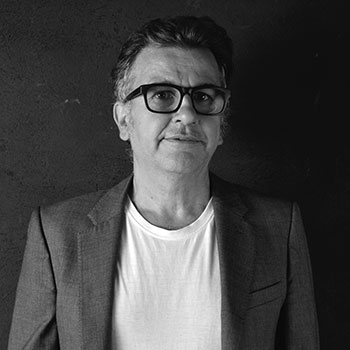
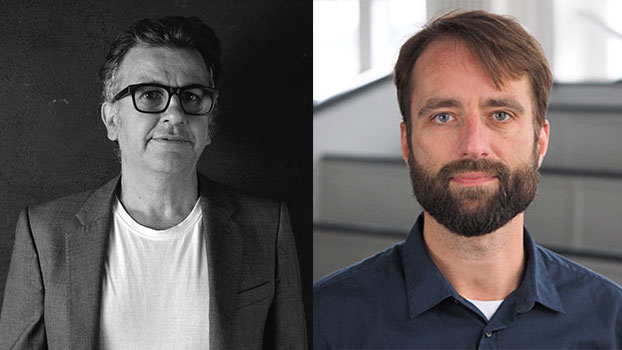
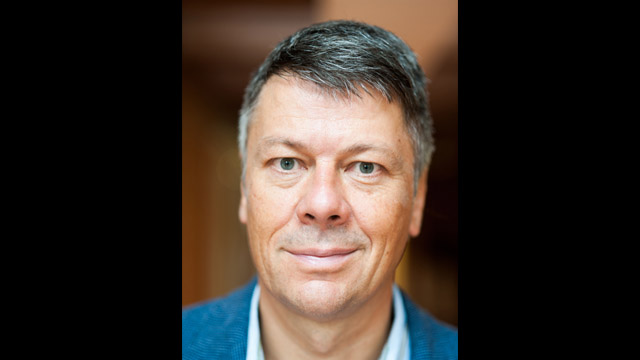
Prof. Dr. Sérgio Costa, spokesperson for the BMFTR-funded MECILA, Maria Sibylla Merian Centre Conviviality - Inequality in Latin America, and Professor of Sociology of Latin America at the Institute of Sociology and the Latin America Institute at Freie Universität Berlin.
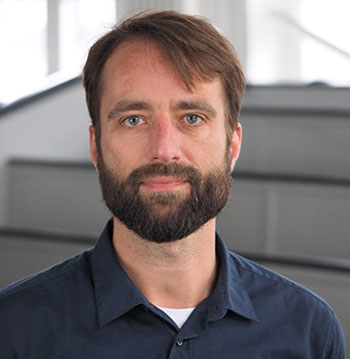
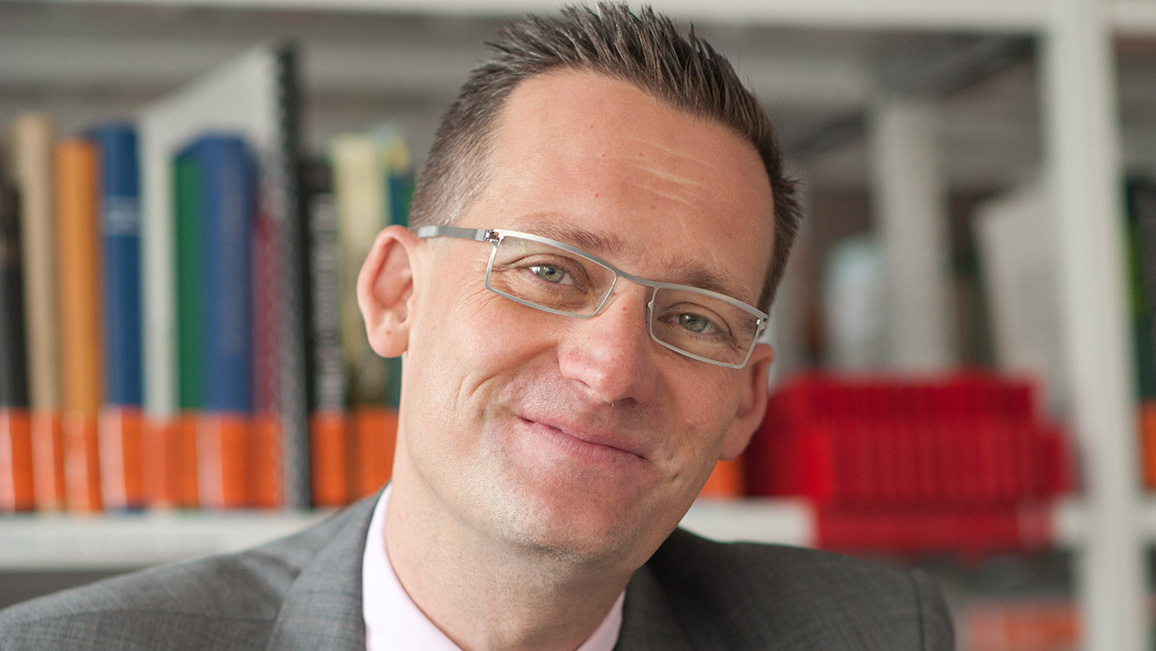
Dr Philipp Naucke, postdoctoral researcher at the Mecila Merian Centre Conviviality - Inequality in Latin America and research associate at the Institute for Latin American Studies at Freie Universität Berlin.
Your conference is entitled "Exploring the Conviviality - Inequality Nexus: Findings and Prospects". What exactly is it about?
Prof. Dr. Sérgio Costa, speaker and director of the BMFTR-funded MECILA, Maria Sibylla Merian Centre Conviviality-Inequality in Latin America, and Professor of Sociology of Latin America at the Institute of Sociology and the Institute for Latin American Studies at Freie Universität Berlin.
José Marçal
Prof. Costa: Our conference revolves around questions of coexistence and cohesion in contemporary societies that are characterised by growing inequalities and political divisions. It brings together representatives from academia, politics, art and social movements from four continents to discuss the results of the research network and develop perspectives for future collaboration. The focus is on the search for forms of fair cooperation and ways to secure and strengthen democratic spaces in increasingly polarised societies. The conference will be opened by the Parliamentary State Secretary of the BMFTR, Ms Launert, the President of the FU Berlin, Prof. Ziegler, and the Brazilian Ambassador to Germany, Mr Baena Soares (editor's note: click here for the programme and registration).
Why is the topic of "conviviality and inequality" currently so relevant?
Dr Naucke: The growing concentration of wealth and recent geopolitical shifts make it clear that living together and social cohesion are facing even greater challenges today than they did in 2017, when Mecila began its work. At the same time, our research findings show that questions about living together in difference and inequality can no longer be answered along traditional dividing lines such as "West" and the "rest" of the world, Global North and Global South. They require new alliances and joint knowledge production!
How does the conference fit into your research programme?
Prof. Costa: The conference opens up the space for a broad international discussion on Mecila's key research findings. Former fellows who have completed intensive research stays at the Mecila hub in São Paulo in recent years will be taking part, as will principal investigators and members of the scientific advisory board.
International cooperation and the joint production of knowledge with experts outside of academia are a core concern of Mecila. This is why colleagues from the Merian Centres in Delhi, Tunis, Accra and Guadalajara as well as representatives from social movements, politics and the arts are taking part. The conference programme is co-organised by the GIGA Institute of Latin American Studies and the DFG Research Unit "Futures of Sustainability" in order to make the research results even more visible in Germany.
Who and what do you want to reach with the conference?
Dr Philipp Naucke is a postdoctoral researcher at the Mecila Merian Centre Conviviality-Inequality in Latin America and a research associate at the Institute of Sociology and Latin American Studies at Freie Universität Berlin.
Lilli Obholz
Dr Naucke: The conference invites academics from all disciplines and career levels as well as stakeholders from politics, culture, international organisations and civil society. Our aim is to share research findings, strengthen partnerships and launch new project ideas. At the same time, our conference will show how indispensable perspectives from the humanities and social sciences are for understanding the major upheavals of our time.
We naturally hope that the knowledge gathered at our conference will flow even more strongly into international research networks and public debates. We would like to set an example with our conference: We would like to bring together key findings from the work of the Merian Centres, especially Mecila, develop perspectives for new research networks and show how important transnational cooperation is in order to tackle global challenges together and sustainably.
And what happens after that?
Prof. Costa: We five Merian Centres are already closely networked - especially at the level of management teams and coordination. Fellows and researchers also maintain a regular dialogue. We now hope that the conference will further deepen this cooperation: through joint research projects, publications and other joint activities that will consolidate the collaboration in the long term.
Thank you both for the preview of your conference and good luck!
(The short interview was conducted in writing on 27 November 2025)
The conference will take place from 11 to 13 December 2025 in the Henry Ford Building of Freie Universität Berlin, Garystraße 35, 14195 Berlin. If places are still available, registration is possible until 5 December 2025. Click here to register
Maria Sibylla Merian Centre Conviviality-Inequality in Latin America (Mecila)
The Maria Sibylla Merian Centre Conviviality-Inequality in Latin America (Mecila), headquartered in São Paulo, Brazil, is an academic consortium consisting of three German institutions and four other Latin American institutions. It has been funded by the BMFTR since 2017. Mecila's research focuses on past and present forms of social, political and cultural coexistence in Latin America and the Caribbean. Conviviality serves as a central analytical concept for investigating different forms of coexistence in specific contexts characterised by both diversity and inequality. Through horizontal interdisciplinary co-operation between researchers from Germany, Latin America, the Caribbean and other regions of the world, the research college aims to achieve an innovative exchange of knowledge that enriches both European and Latin American social science and humanities research.
The Merian Centres and the internationalisation of the humanities and social sciences
The BMFTR initiative of the Merian Centres is a globally unique funding format for the internationalisation of the humanities and social sciences. At the five BMFTR-funded Merian Centres in Latin America, India and North and West Africa, fellows from Germany, the host country and other regions of the world conduct joint research from various specialist perspectives on a topic of their choice. They analyse social issues in their transnational contexts from a humanities and social science perspective and thus offer orientation and action knowledge for dealing with current global challenges.
We want this website to meet your needs as best as possible. To this end, we use cookies and the web analytics tool Matomo to learn which pages are visited most often. Your visit is currently not being counted. By allowing us to count your visit anonymously, you help us to achieve this goal. Web analytics enable us to adapt this website to your needs. No data is forwarded to third parties. For further information, please see our privacy notice.